
Sad & Scared
Client: Thamarrurr Development Corporation
Languages: English & Murrinhpatha
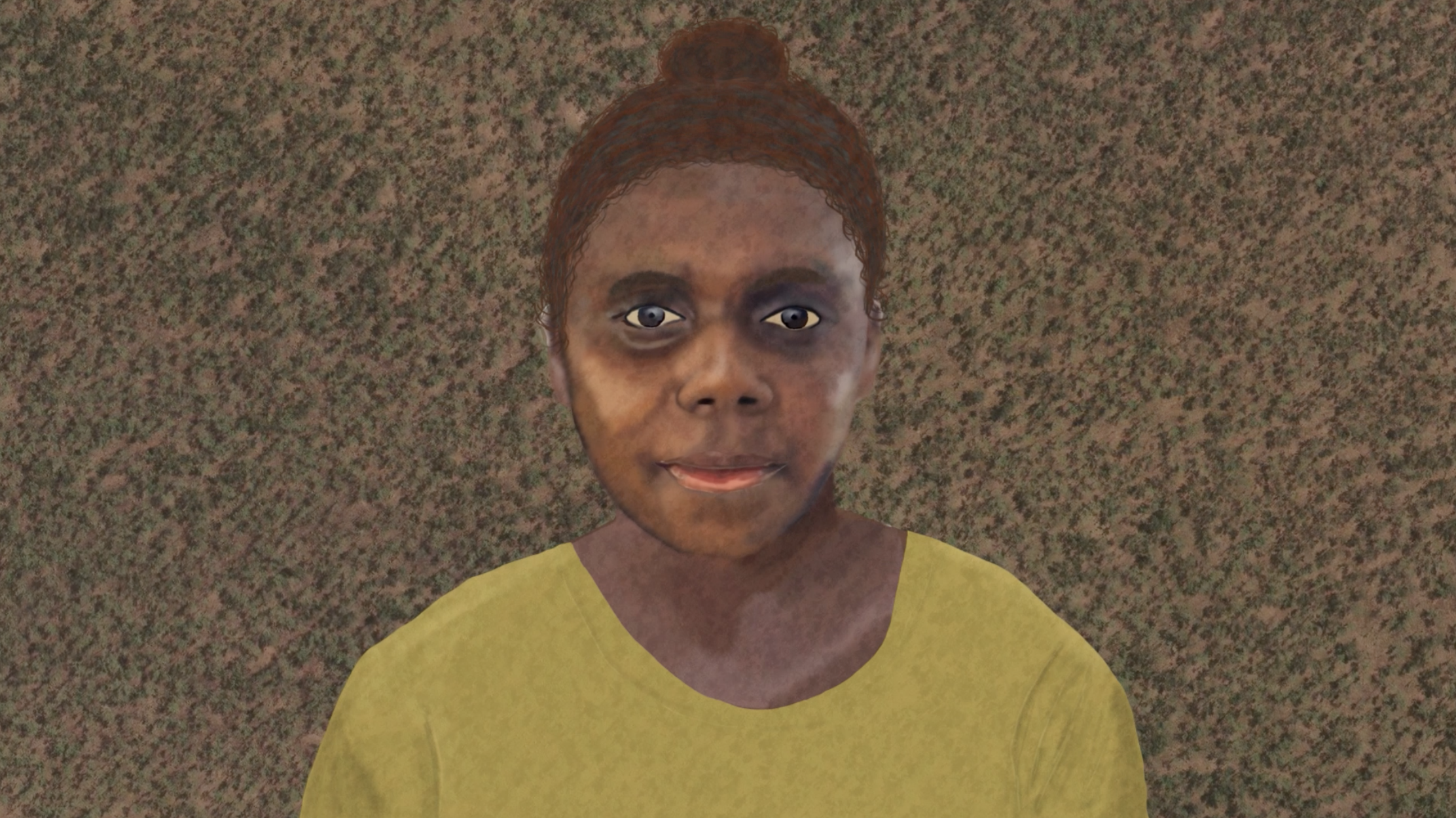
Helping families start meaningful conversation about fear, anxiety and emotional responses.
-
Understanding childhood trauma is difficult.
Many professionals working with children — educators, community workers, and service providers — know that trauma affects behaviour and learning. But explaining what trauma feels like from the child’s perspective can be challenging.
Traditional explanations often rely on clinical language that doesn’t easily communicate the emotional reality of a child’s experience.
-
Sad & Scared tells the story of childhood trauma from the inside.
Through narrative animation, the film invites the audience into the emotional world of a child who feels frightened and alone. Visual storytelling communicates complex psychological experiences through feeling, imagery, and story rather than technical language.
By seeing the world through the child’s eyes, viewers gain a deeper understanding of how trauma shapes a child’s emotions and behaviour, supporting a more trauma-informed perspective.
-
The animation builds empathy and understanding around childhood trauma.
Instead of explaining trauma academically, the story helps audiences feel what a child may be experiencing. This emotional connection supports trauma-informed practice by helping professionals recognise the hidden emotional realities behind behaviour.
By translating complex psychological ideas into story, Sad & Scared makes childhood trauma more accessible, memorable, and human.
Client Reflection:
The Sad and Scared video has been so useful to us. We have shared the video with Men's Behaviour Change Program, the No More program, Wadeye Community Corrections and soon the Darwin Correctional Centre, as a resource to use in conversations with offenders about the impact of their behaviour, particularly on children.
My staff and the women I work with also felt validated with this video being developed, as they are often approached about their children's safety and impact of fighting but as they largely do not participate in the fighting, they feel powerless to change the situation. Having a resource that speaks directly to the people who use violence, has been appreciated by them also.
Marlena Flynn | Manager
Thamarrurr Child & Family Centre