
Talk Up
Client: Northern Territory Human Rights Commission
Languages: English, Arrernte , Murrinhpatha, Pitjatjantjara, Warlpiri, Yolŋu Matha
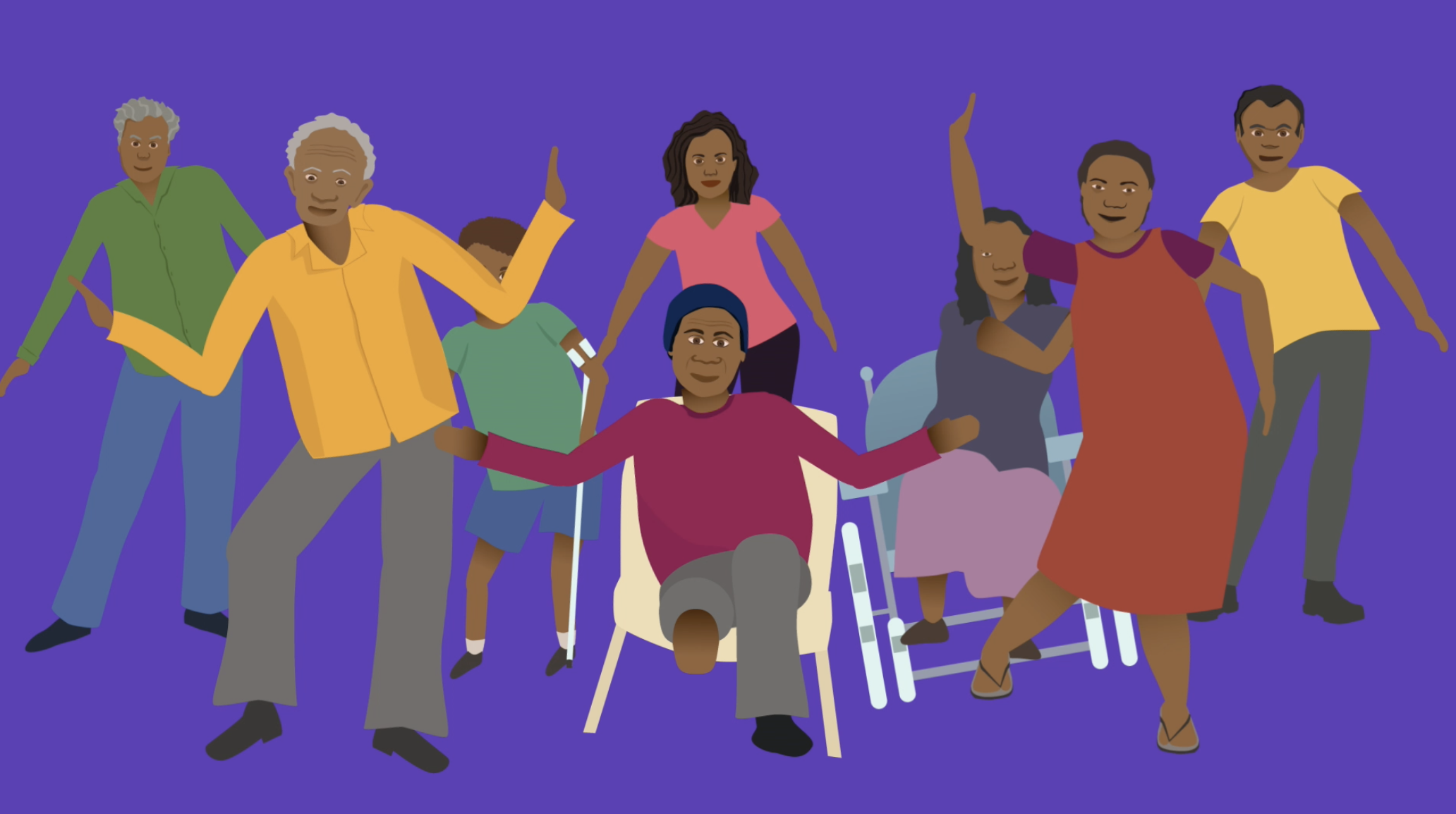
Supporting people with disability to speak up, know their rights, and be heard.
-
Many people who receive health or community care services are unsure of their rights or feel hesitant about making complaints when something goes wrong. Written complaint processes and legal language can be difficult to understand, particularly for audiences with varied literacy levels, cultural backgrounds, or first languages.
The Health and Community Services Complaints Commission needed a way to clearly communicate that service users have the right to respectful care — and the right to speak up when that standard isn’t met.
-
Educational Animations developed a story-driven music video that communicates complaint rights through everyday scenarios.
The song introduces situations people may encounter with care providers — including poor treatment, missed services, or unsafe behaviour — and reinforces a simple, memorable message: Talk Up.
Through rhythm, repetition and relatable examples, the video translates complex rights and complaint processes into a format that is easy to understand and remember.
The music video is supported by a short explainer animation that reinforces key messages and provides additional context about complaint rights and the role of the Commission.
To ensure the information was accessible to remote and culturally diverse communities, the explainer was produced in five Aboriginal language versions, and the song itself was recorded in both English and Kriol — supporting multilingual engagement and broader community reach.
-
The animation provides the Commission with an accessible education resource that can be used across community outreach, training and awareness programs.
The song format helps audiences quickly recognise when care standards are not being met and builds confidence to speak up, make a complaint, and seek support when needed.
This project demonstrates how animation, song and multilingual content can support disability rights communication, health communication, and accessible information for diverse communities.