
Yolngu Sounds
Client: Charles Darwin University Yolngu Studies
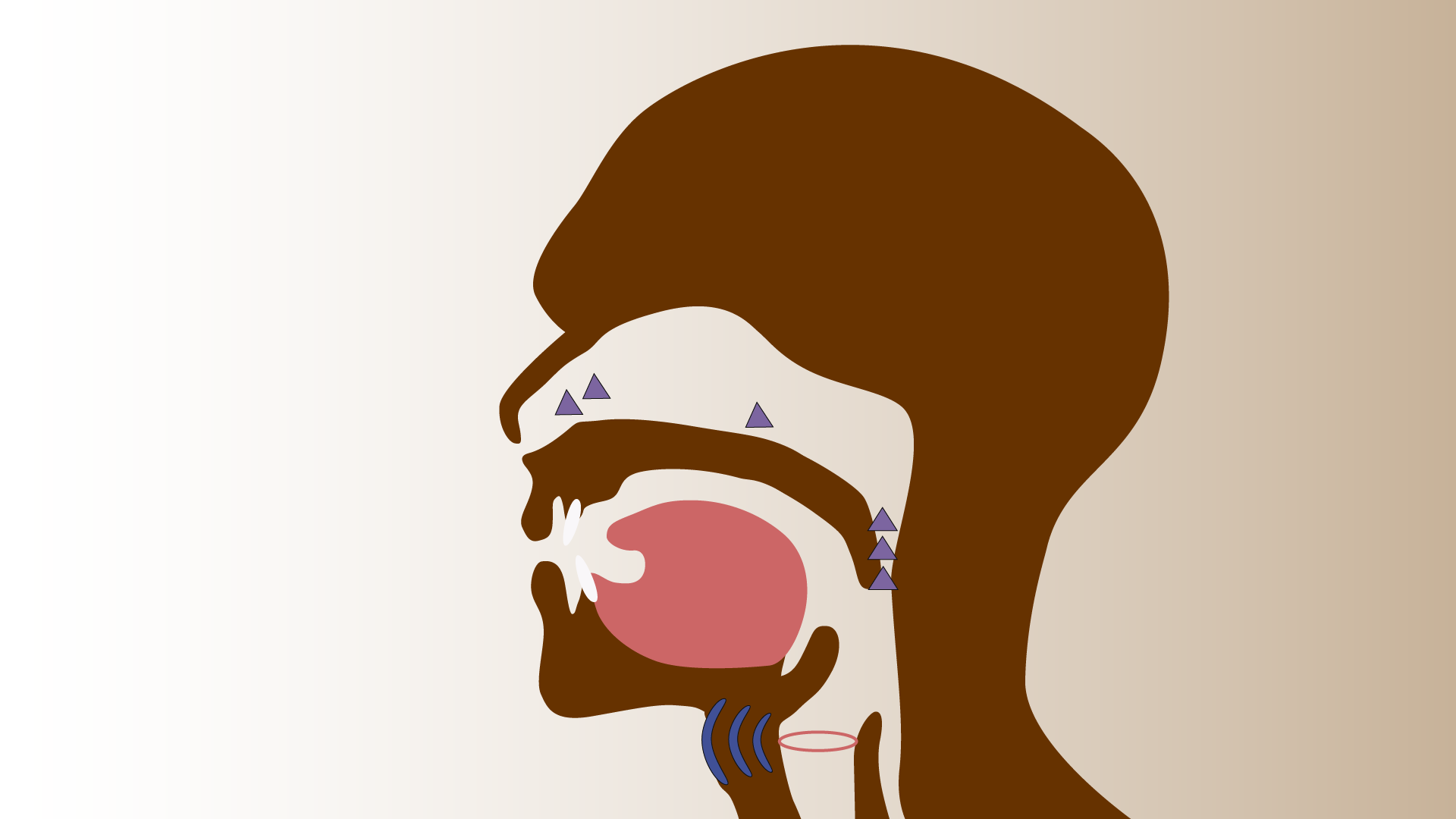
Visualising how language sounds are formed and spoken
-
Many of the sounds in Yolŋu languages are unfamiliar to learners and difficult to describe using written explanations alone. Traditional teaching methods can struggle to clearly communicate how sounds are physically produced, particularly for students who are new to phonetics or learning in a second language context.
There was a need for a resource that could make the mechanics of speech visible and understandable.
-
Educational Animations developed a series of short animations that show how specific sounds are formed within the mouth.
Using simplified cross-sectional visuals, each video demonstrates tongue placement, airflow and articulation in a clear and focused way.
To support different learning needs, each sound was produced in two formats: a 1-second real-time version and a 6-second slow-motion version. This allows learners to both hear the natural rhythm of speech and closely observe how each sound is physically formed.
The animations were designed for flexibility — able to be used in classroom teaching, online learning, and as standalone reference tools.
By translating linguistic concepts into visual form, the videos support both educators and students in engaging with the structure of language at a practical level.
-
The videos provide a valuable resource for teaching and learning Yolŋu languages, helping students to:
understand how sounds are physically produced
improve pronunciation and listening skills
engage more confidently with unfamiliar language structures
The project demonstrates how animation can support language education by making abstract linguistic concepts visible and easier to learn.
Client Reflection:
The Yolŋu sound videos have been well used in online classroom and self directed study. Some peculiar consonants in Yolŋu languages can be very challenging for non-Yolŋu speakers to figure out the tongue position, but this animation visually and audibly present how the sound is made. The hybrid use of the Yolŋu sounds videos and linguistic description of peculiar Yolŋu consonants has been quite effective.
These animations have been very useful for lecturers and students. With the use of the videos, the Yolŋu lecturers don't necessarily show their teeth or tongue for online students.
Yasunori Hayashi
Senior Lecturer in Linguistics Charles Darwin University